- Disability Lens Digest
- Posts
- EBT Delays Could Deepen Hunger for People with Disabilities
EBT Delays Could Deepen Hunger for People with Disabilities

ruvim senina
November 13, 2025
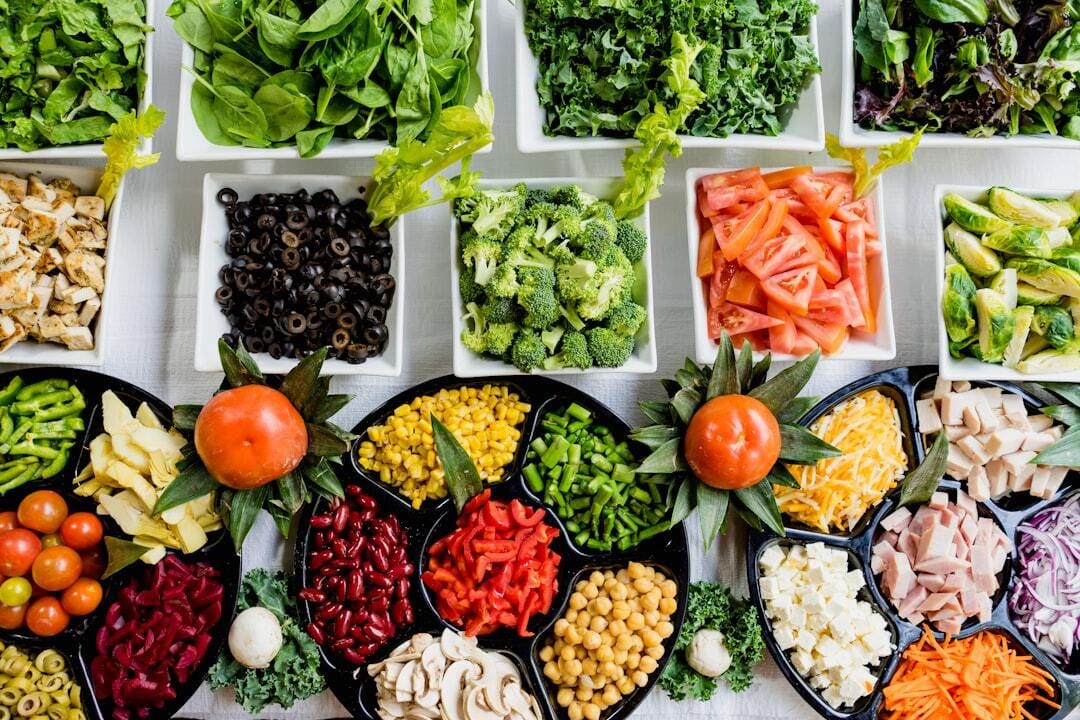
For many people with disabilities in the United States, the start of each month means one thing — waiting for EBT benefits to arrive so they can buy groceries. These benefits aren’t extra spending money; they’re often the only source of consistent food security for millions living on fixed incomes from SSI, SSDI, or other disability programs. With the federal government warning that SNAP benefits for November 2025 may be delayed or interrupted due to funding issues, disabled Americans face a terrifying question: what happens when the safety net disappears, even temporarily?
Food insecurity is already far higher among people with disabilities than the general population. Many cannot work full-time due to medical conditions or accessibility barriers, and rising grocery prices make every dollar count. Losing access to EBT funds, even for a week, could mean skipping meals, relying on unsafe or expired food, or having to choose between paying for medicine and eating. Food banks are already stretched thin, and transportation barriers make it hard for disabled people to reach those resources — especially in rural areas where public transit is limited or nonexistent.
This situation reveals how fragile our support systems really are. People with disabilities should not have to live with the fear that political gridlock or administrative delays could literally take food off their tables. Policymakers must recognize that EBT and SNAP are not luxuries — they are survival tools. Investing in more stable funding systems and emergency protections would show that the government values disabled lives equally. Until then, communities and advocates will have to keep speaking up for those whose voices are too often ignored when it comes to hunger and disability.
My Thoughts
Question 1: How does the threat of losing EBT or SNAP benefits highlight the everyday struggles people with disabilities face when living on a fixed income? As a person with a disability, I personally don’t face this issue because I’m fortunate to have a support system around me. I have people who look after me and make sure I have what I need, including food if anything ever happened. But I also don’t live alone, which makes things easier for me compared to others who do. For people with disabilities who live independently and depend on programs like EBT to maintain their routines and freedom, losing that support could be devastating. I wouldn’t want that to happen to anyone — not just disabled people — because food security is a basic human need, and no one should have to lose their independence or dignity over it.
Question 2: What does it say about our country’s priorities when programs that feed the most vulnerable are treated as optional instead of essential? As I said before, we already have a food insecurity issue in this country even with programs like EBT and SNAP in place. If those programs stop being treated as a priority, the situation will only get worse. These programs exist to make sure people who truly need help can eat, and taking that away would push even more people into hunger. I would not want to see that happen, especially knowing how many lives depend on them every single day.
Question 3: How can communities better support disabled people during times of crisis, especially when government safety nets fail? Communities have an important role to play in supporting disabled people, especially when government safety nets fail. Neighbors, friends, and local organizations can step in to provide practical help, emotional support, and access to essential resources. While this isn’t always easy, fostering a culture of mutual care and human connection can make a real difference. Supporting one another as fellow humans—beyond formal programs—is something we often overlook, but it’s essential for building resilience and ensuring no one is left behind during a crisis.
Question to Consider:
If you were in charge of this program, how would you make sure it stays funded so people who depend on it don’t have to starve?
My sources
• CBS News – SNAP benefits may be delayed in November due to shutdown concerns (https://www.cbsnews.com/news/food-stamps-snap-benefits-november-2025-government-shutdown/?utm_source=chatgpt.com) • Center on Budget and Policy Priorities – Steps to ensure SNAP participants get benefits during funding lapses (https://www.cbpp.org/blog/the-trump-administration-can-and-should-take-available-steps-to-ensure-snap-participants-get?utm_source=chatgpt.com) • USDA and state agency notices on SNAP/EBT delays (https://www.fairfaxcounty.gov/news/snap-benefits-may-be-impacted-what-you-need-know?utm_source=chatgpt.com)