- Disability Lens Digest
- Posts
- Disability Awareness Through Action and Recognition
Disability Awareness Through Action and Recognition

ruvim senina
January 24, 2026
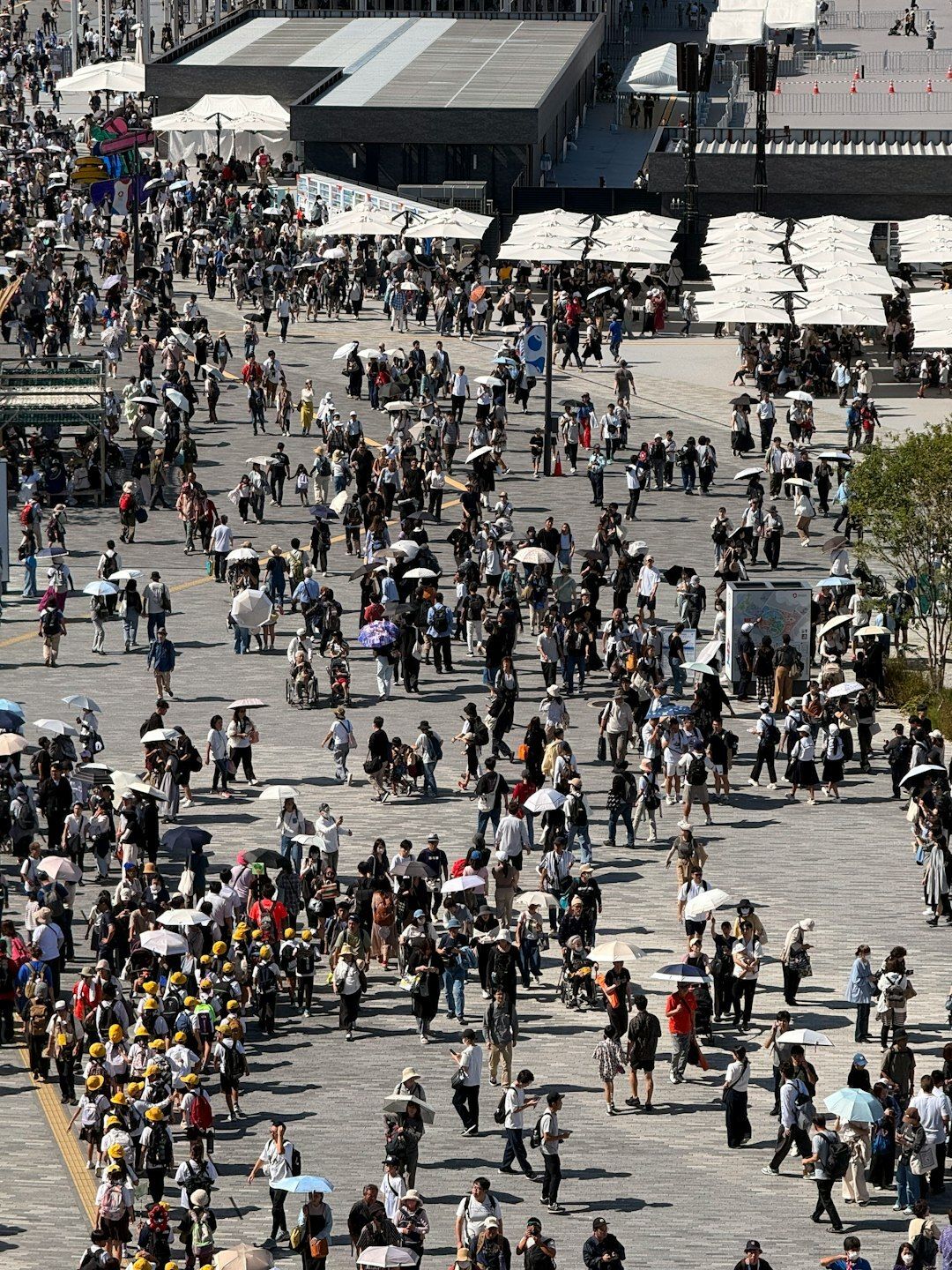
In India, disability rights and awareness took center stage through public events that emphasized visibility, participation, and inclusion. One notable example was a large-scale disability awareness rally that brought together people with disabilities, advocates, and community members. Events like these aim to move disability conversations beyond policy documents and into public spaces, reminding society that people with disabilities are active participants in civic and cultural life.
Alongside these rallies, the observance of the International Day of Persons with Disabilities in December continued to resonate into the new year. While the day itself is symbolic, its impact often depends on how governments, institutions, and communities choose to engage with it. In many countries, including India, the observance included public programs, awareness campaigns, and discussions centered on accessibility, rights, and social inclusion.
Together, public rallies and international observances highlight two different but connected approaches to disability advocacy: grassroots mobilization and formal recognition. Rallies emphasize lived experience and collective action, while international days provide an opportunity for governments and institutions to publicly reaffirm commitments to disability rights. When combined, these efforts can help shift public attitudes, influence policy conversations, and keep disability inclusion visible on both national and global stages.
My Thoughts
Disability awareness rallies should not be viewed in isolation; their impact is amplified when they work in tandem with recognized observances, such as the International Day of Persons with Disabilities in December. These observances help raise broader public awareness and reinforce the messages highlighted by rallies, ensuring that advocacy efforts reach both the general public and institutions that can support long-term inclusion. Simply knowing about these efforts internally is not enough; when the wider world is aware, people with disabilities are included in broader conversations, policies, and decision-making processes, no matter where they live.
Observing international disability-focused days encourages governments, institutions, and communities to take meaningful action by providing a formal platform to highlight inclusion and accessibility issues. When combined with grassroots efforts, such as the disability awareness rally in India, these observances reinforce the message that disability rights are a shared societal responsibility. In my opinion, formal observances alone cannot achieve change without the energy and visibility of community-driven initiatives, but together they create a stronger, more effective push toward meaningful inclusion.
Grassroots advocacy, such as rallies, and formal observances, like international disability-focused days, clearly complement each other by combining public visibility with institutional recognition. However, a significant challenge remains: not all government officials or policymakers prioritize disability as an important issue. Many may assume existing policies are sufficient, even when these policies do not fully address the daily realities faced by people living with disabilities. This gap highlights the need for continued advocacy to ensure that awareness translates into meaningful, practical change.
Question to Consider
To what extent do public disability awareness events—such as rallies in India—combined with the observance of international disability-focused days, meaningfully contribute to long-term changes in public attitudes, policy development, and inclusion for persons with disabilities?
My Sources
• United Nations — International Day of Persons with Disabilities • Human Rights Watch — Global advocacy and reporting on disability rights and inclusion • World Health Organization (WHO) — Disability and health: global policy guidance and inclusion frameworks